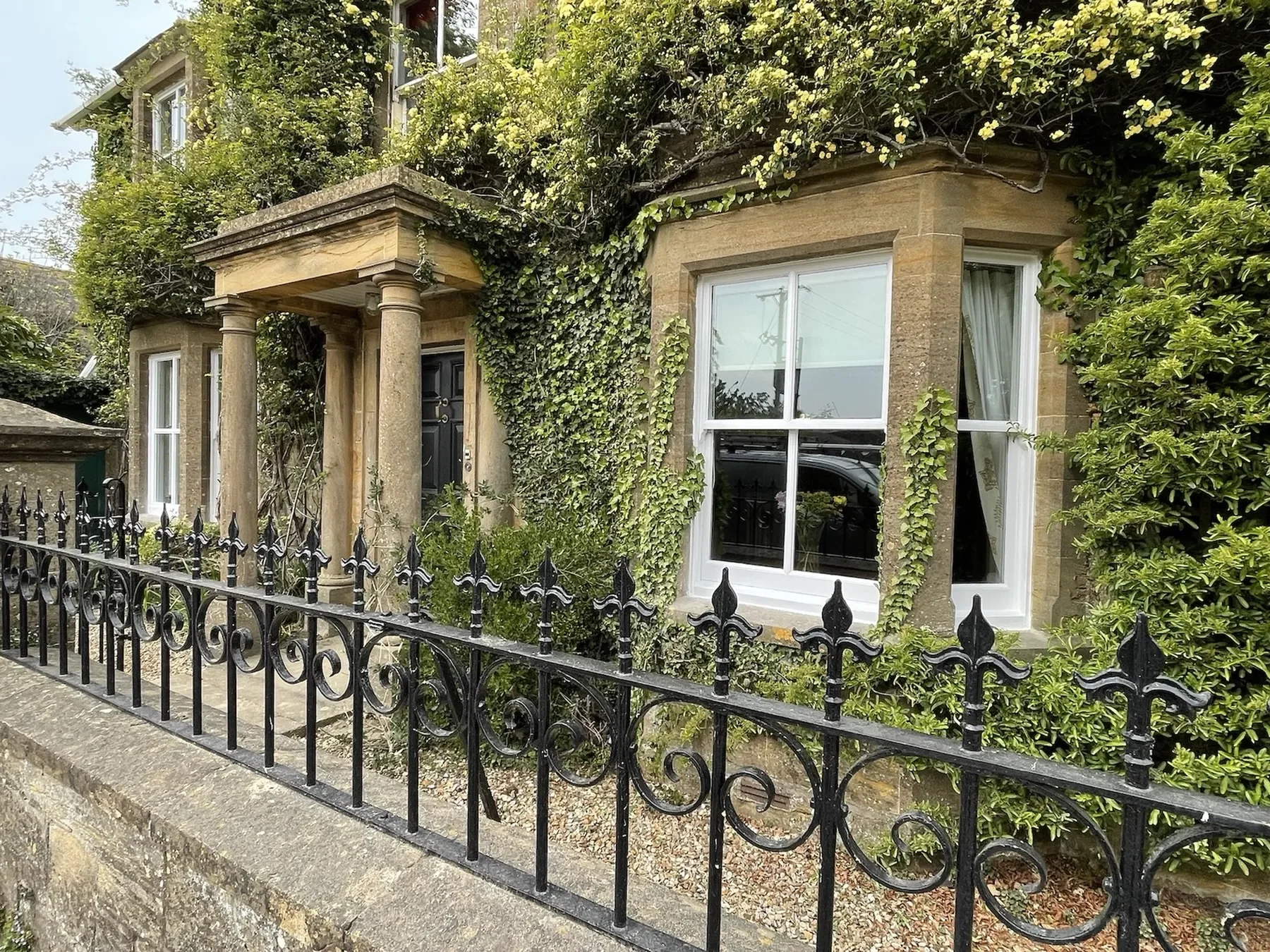
Listed Properties & Conservation Area’s
Sash & Casement Window Renovation
Windows in Conservation Areas & Listed Buildings
4
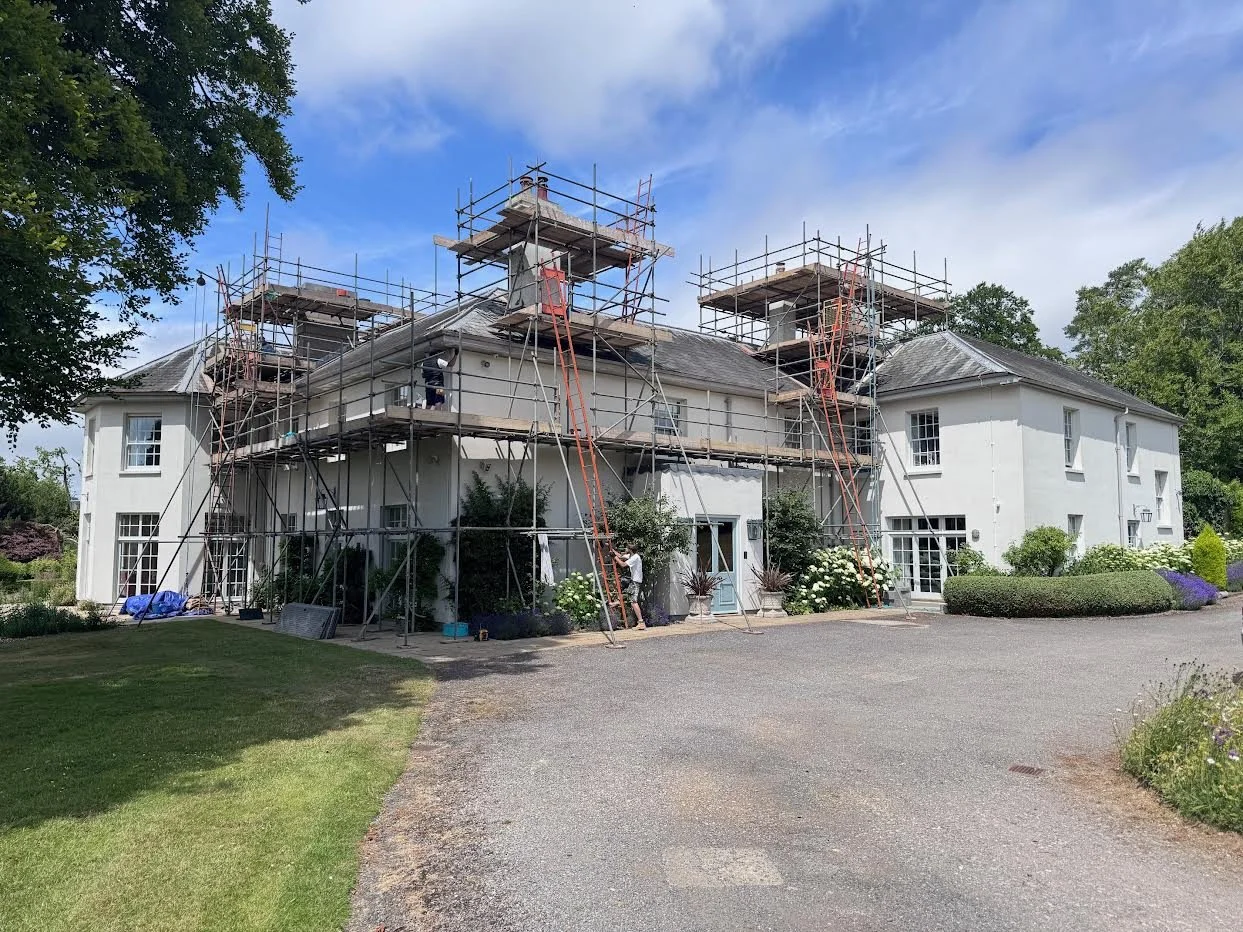
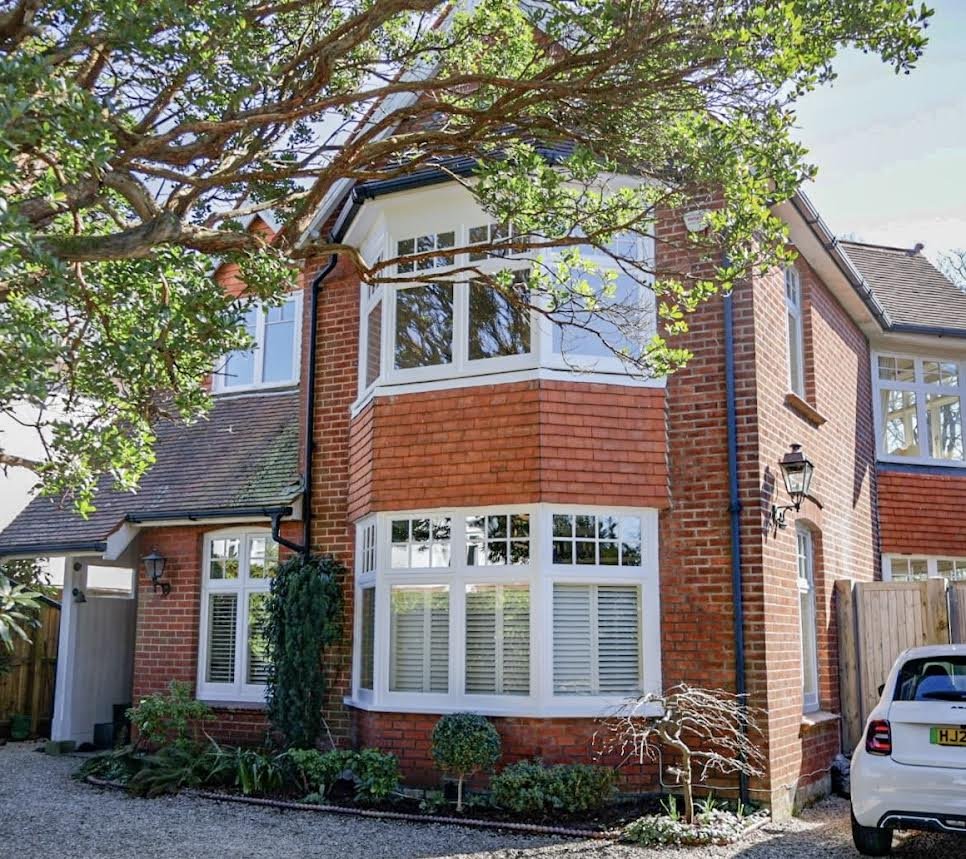
At CTWS We regulary work on listed buildings and in conservation area’s
We regularly undertakes projects involving listed buildings and properties within conservation areas, and as such, working within sensitive historic environments is a well-established part of our operations. We recognise that these projects require a considered and informed approach due to the additional planning controls, heritage constraints, and statutory requirements that often apply. Our team has extensive experience we understand the importance of preserving the architectural, historical, and cultural significance of heritage assets and take great care to ensure that any interventions are sympathetic to the existing character and fabric of the building or area. This includes careful consideration of materials, construction methods, detailing, and sequencing of works to minimise impact and maintain the integrity of the asset. Through our experience, we have developed robust procedures for identifying potential heritage constraints at an early stage, managing approvals efficiently, and delivering projects that balance conservation objectives with practical and operational requirements.
Quick Compliance Checklist
✓ Conservation Areas: Check with your local authority whether window alterations require planning permission.
✓ Listed Buildings: Obtain Listed Building Consent before carrying out works that affect the building’s character.
✓ Article 4 Directions: Confirm whether Permitted Development rights have been removed and formal approval is needed.
Understanding the Different Types of Protection
Conservation Areas
Conservation Areas are designated locations of special architectural or historic interest where local authorities seek to preserve or enhance the area’s character and appearance.
Properties within Conservation Areas are not automatically Listed Buildings, but there may be restrictions on external alterations, including windows and doors.
In many Conservation Areas, local authorities pay particular attention to features visible from public viewpoints, such as front elevations and original timber sash or casement windows. The aim is to ensure that changes do not gradually erode the historic character that led to the area’s designation.
Whether permission is required will depend on the specific property, the nature of the proposed works and any additional controls that may apply. It is therefore advisable to check with the local planning authority before replacing or significantly altering windows.
Listed Buildings
A Listed Building has been recognised as having special architectural or historic significance.
There are three grades:
• Grade I – Buildings of exceptional interest
• Grade II* – Particularly important buildings of more than special interest
• Grade II – Buildings of special interest
Any works that affect the building’s character may require Listed Building Consent, including alterations to windows.
Listed status generally applies to the entire building, both inside and out, and can also extend to certain attached structures and features within the property’s curtilage. Even seemingly minor changes, such as replacing historic glass, altering glazing bars or changing frame materials, may require consent.
Because each Listed Building is unique, local authorities often expect proposals to demonstrate that historic fabric has been retained wherever possible and that any replacement work is sympathetic to the building’s age, design and significance.

The Do’s and The Don’ts
The Do’s and Don’ts of Window Replacement, Restoration and Planning Permission
Do Repair Original Windows Where Possible
Planning authorities generally prefer repair and restoration over replacement.
Common repairs may include:
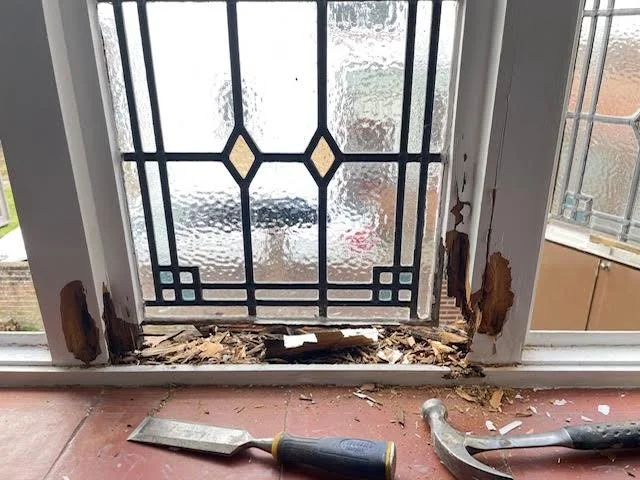
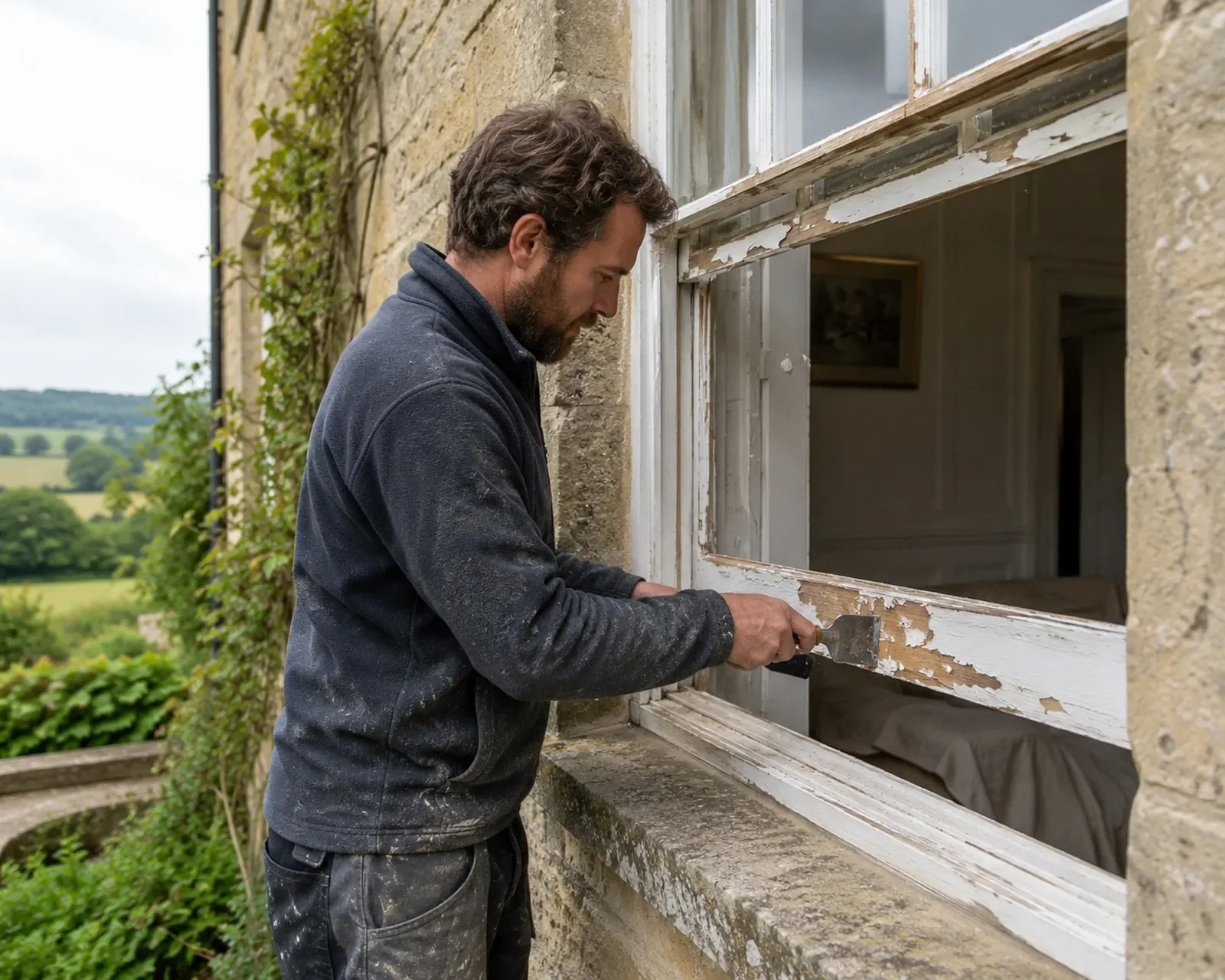
• Replacing rotten sections of timber
• Draught-proofing
• Re-glazing damaged panes
• Overhauling sash mechanisms
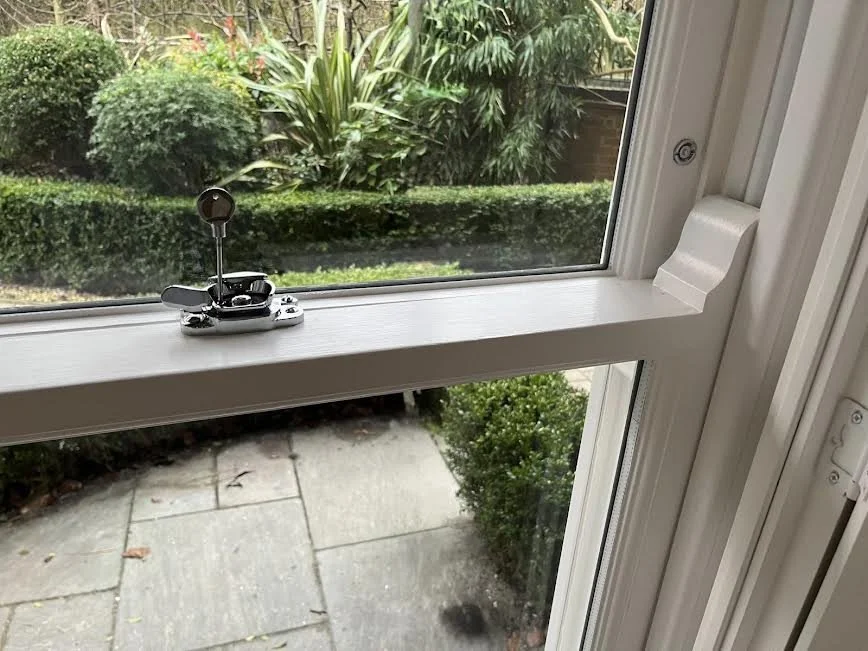
• Repairing cords, pulleys and ironmongery
Original windows are often a significant part of a building’s historic character and should be retained wherever possible.
Do Match Original Designs
If replacement is necessary, new windows should generally:
• Replicate the original style and proportions
• Match glazing bar arrangements
• Maintain opening methods and sightlines
• Use suitable materials and detailing
A like-for-like replacement is usually viewed more favourably by planning officers.
Do Seek Advice Before Ordering Windows
Before committing to any installation:
• Confirm whether the property is Listed
• Check whether it is in a Conservation Area
• Determine whether an Article 4 Direction applies
• Establish whether planning permission or Listed Building Consent is required
Early advice can prevent unnecessary expense and delays.
Do Consider Energy Improvements Carefully
Energy efficiency improvements are often possible without harming historic character.
Options may include:
• Secondary glazing
• Slimline double glazing where appropriate
• Professional draught-proofing systems
• Improved seals and maintenance
The objective should be to improve performance while preserving the building’s significance.
What You Can Usually Do
Depending on your property’s designation and local authority requirements, you may be able to:
✓ Repair existing windows
✓ Replace broken glazing with matching materials
✓ Carry out routine maintenance and decoration
✓ Install secondary glazing in many circumstances
✓ Undertake carefully designed like-for-like replacements, subject to approvals where required
Don’t Assume You Can Replace Windows Freely
Many homeowners believe replacing windows is covered by Permitted Development.
Restrictions can apply even when:
• The building is not Listed
• Neighbours have carried out similar works
• Existing windows have already been altered previously
Every property should be assessed individually.
Don’t Install Inappropriate uPVC Windows
Modern replacement windows that alter the character of the building may not receive approval.
Issues often include:
• Incorrect proportions
• Thick frames and glazing bars
• Different opening methods
• Loss of traditional detailing
• Reflective or inappropriate glazing
Particularly in Conservation Areas and Listed Buildings, inappropriate replacements can significantly harm a property’s historic appearance.
Don’t Remove Historic Glass Without Good Reason
Historic glass often contributes significantly to the character and value of older properties.
Original crown glass, cylinder glass and early handmade panes may be irreplaceable and should be retained wherever practical.
Don’t Carry Out Work to a Listed Building Without Consent
Works undertaken without Listed Building Consent can constitute a criminal offence.
This applies even if:
• The works improve energy efficiency
• The changes are not visible from the road
• Previous owners made alterations without permission
Consent should always be obtained before work begins.
A Homeowner’s Guide to Staying Compliant
Replacing windows in older properties can involve planning restrictions. If your home is in a Conservation Area, is a Listed Building, or is subject to an Article 4 Direction, you may need permission before carrying out work.
Getting it wrong can lead to enforcement action, costly remedial works and, in some cases, legal consequences. Taking advice early can help you improve your windows while preserving your property’s character and remaining compliant.
Article 4 Directions
An Article 4 Direction removes certain Permitted Development rights.
This means that changes which would normally not require planning permission may now need formal approval.
Article 4 Directions commonly apply to:
• Replacing original timber windows
• Altering glazing patterns or materials
• Changing the appearance of the front elevation
• Installing modern uPVC windows in traditional properties
Article 4 Directions are frequently introduced where local authorities consider that incremental alterations could harm the character of a street, neighbourhood or Conservation Area. They are particularly common in areas containing large numbers of period properties with surviving original features.
The existence and scope of an Article 4 Direction can vary considerably between locations. Some directions apply only to elevations facing the highway, while others may cover a wider range of alterations. Homeowners should therefore confirm exactly what restrictions apply before ordering replacement windows.
In practice, an Article 4 Direction does not automatically prevent you from replacing or improving your windows. Instead, it means that you may need to submit a planning application so the local authority can assess whether the proposed changes would preserve the character of the property and surrounding area. Planning officers will often consider factors such as the window design, materials, glazing configuration, frame dimensions and whether original architectural details are being retained.
Many Article 4 areas were designated because previous alterations had gradually eroded the appearance of historic streets. As a result, local authorities may encourage repair of existing windows or require replacements to closely match the original design. Seeking advice before commissioning new windows can help avoid unnecessary costs, delays and the risk of installing products that may not receive approval.
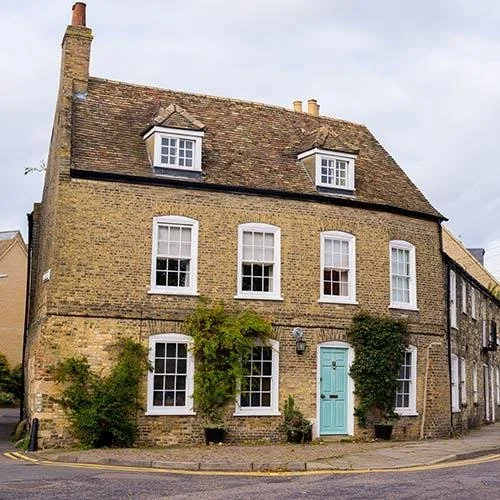
Planning Permission and Permitted Development
Permitted Development rights allow certain alterations to be undertaken without applying for planning permission. However, these rights may be restricted or removed where:
• The property is Listed
• The property falls within an Article 4 area
• The proposed works materially alter the appearance of the building
• Previous planning conditions have removed Permitted Development rights
Because requirements vary between properties and local authorities, always check whether planning permission or Listed Building Consent is needed before commencing work.
What You Generally Cannot Do Without Permission
✗ Replace traditional timber windows with inappropriate alternatives
✗ Alter glazing patterns or opening arrangements
✗ Change the appearance of the front elevation in an Article 4 area
✗ Remove historic fabric from a Listed Building without consent
✗ Assume Permitted Development rights still apply
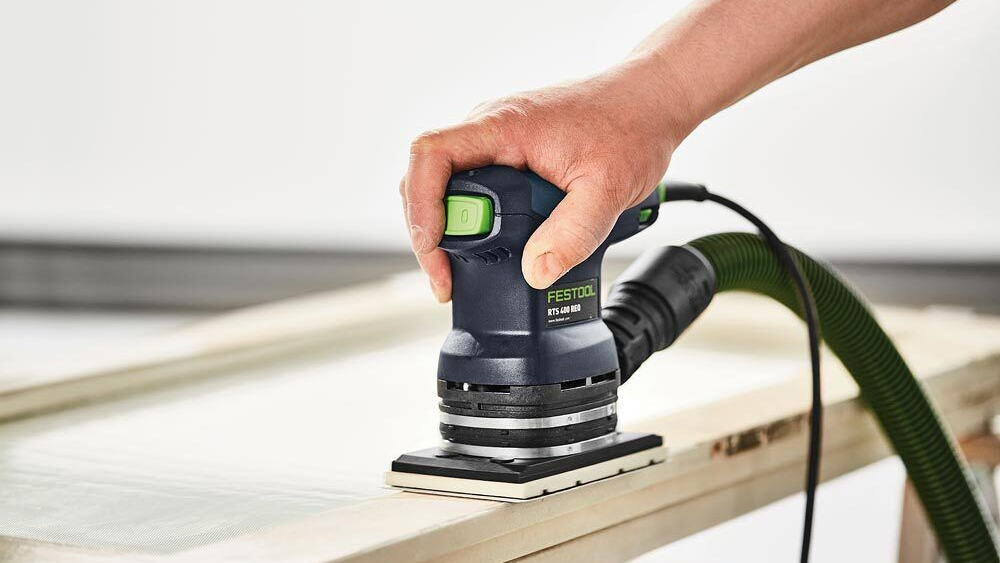
Aftercare & Maintenance
Our timber window maintenance check programme is designed to identify potential issues before they become costly problems.
Gain peace of mind knowing as a pervious & valued customer your timber windows are being monitored and cared for correctly, helping to maximise their lifespan and protect your investment.
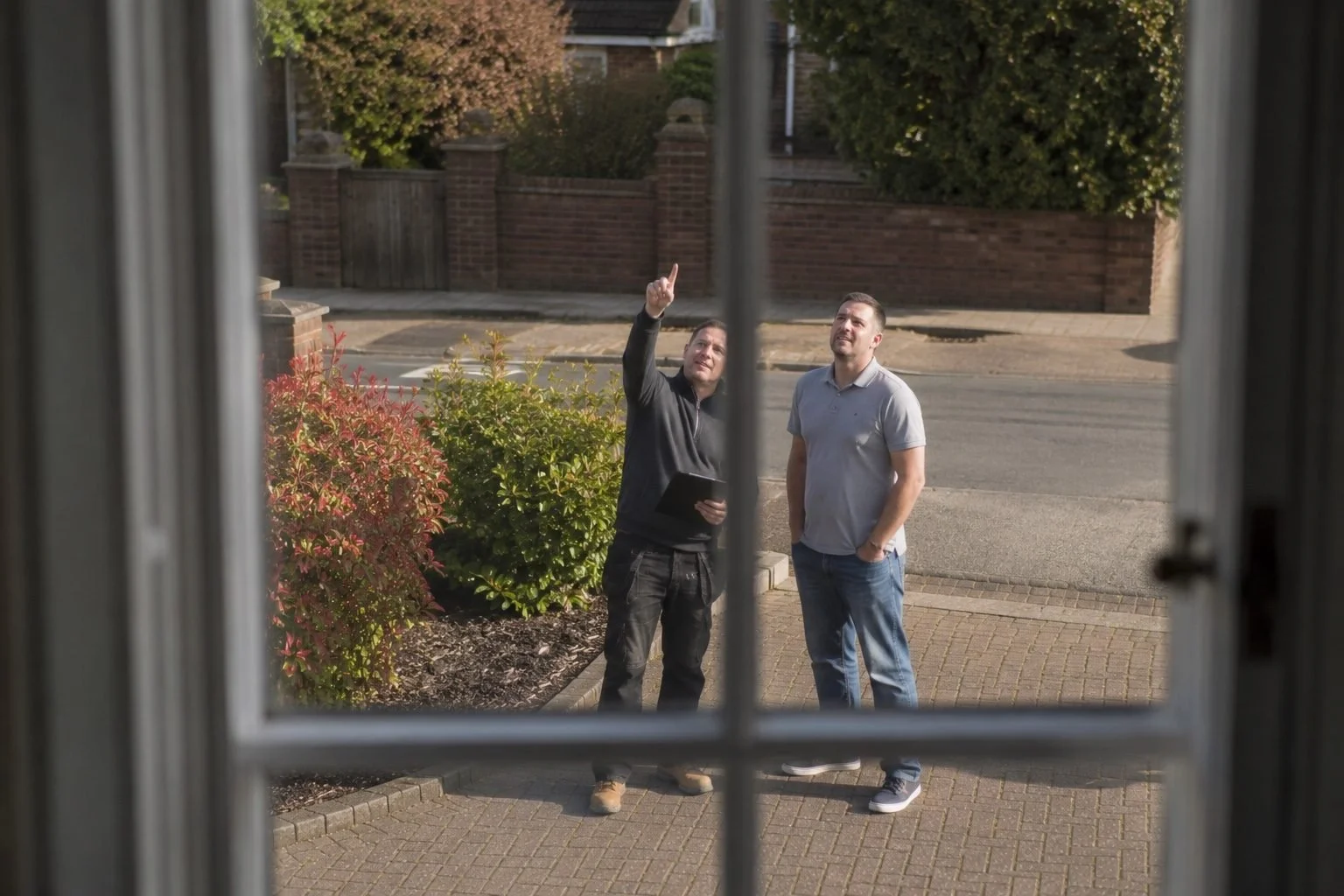

“ A Free Check Today could save you thousands tomorrow.”
Our FREE maintenance check inspections can help keep your timber windows in excellent condition for years to come