
Secondary Glazing
A Perfect choice for listed buildings & restricted conservation area’s
Secondary Glazing
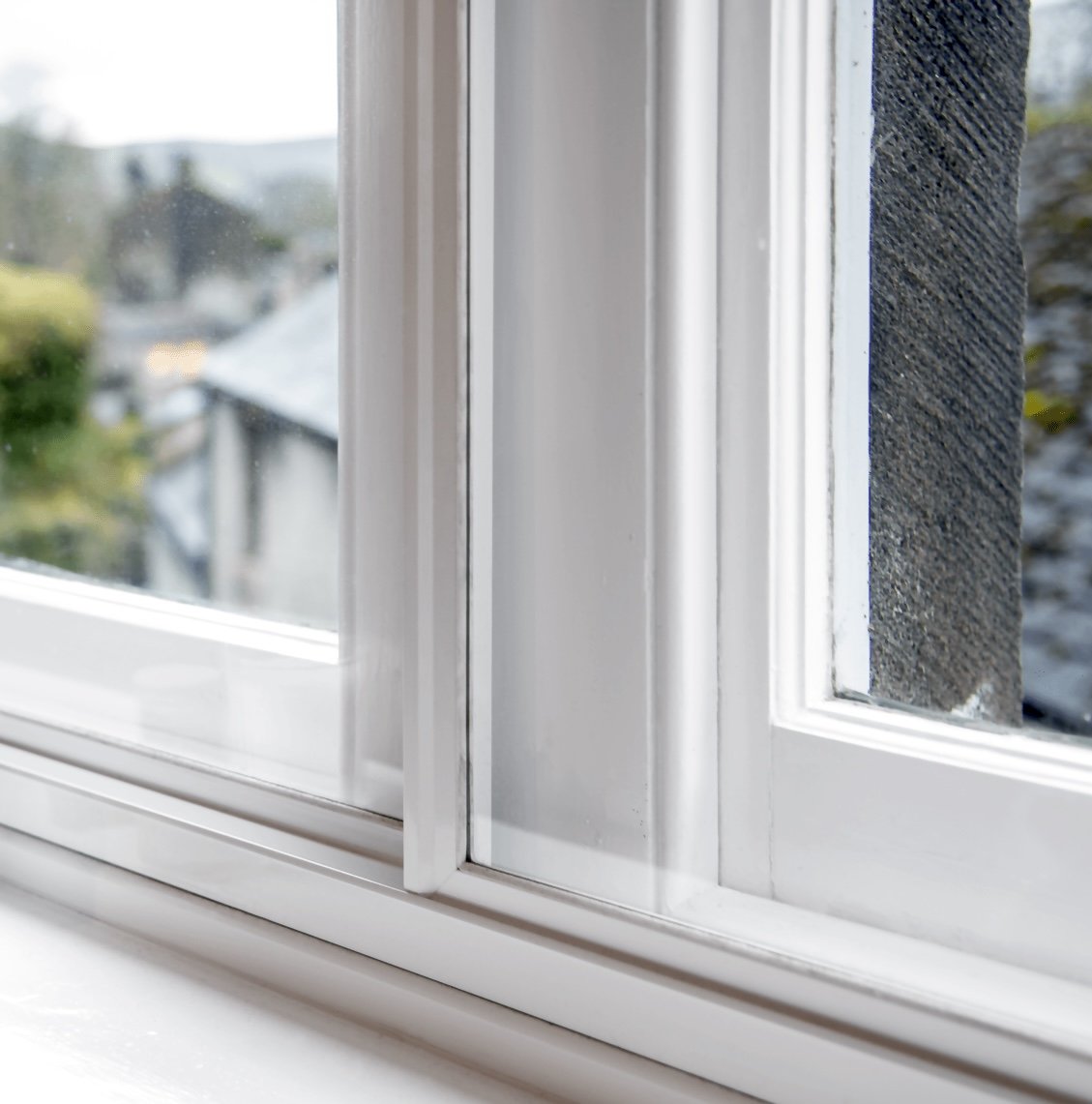
Secondary Glazing Units are perfect for Listed buildings and conservation areas! and are commonly recommended by English Heritage and Listed Property Owners Club.
They are a cost-effective method of insulating and sound proofing your home. On average you can save around 10% on your heating bills and is an ideal solution if you are unable to upgrade or replace your existing windows.
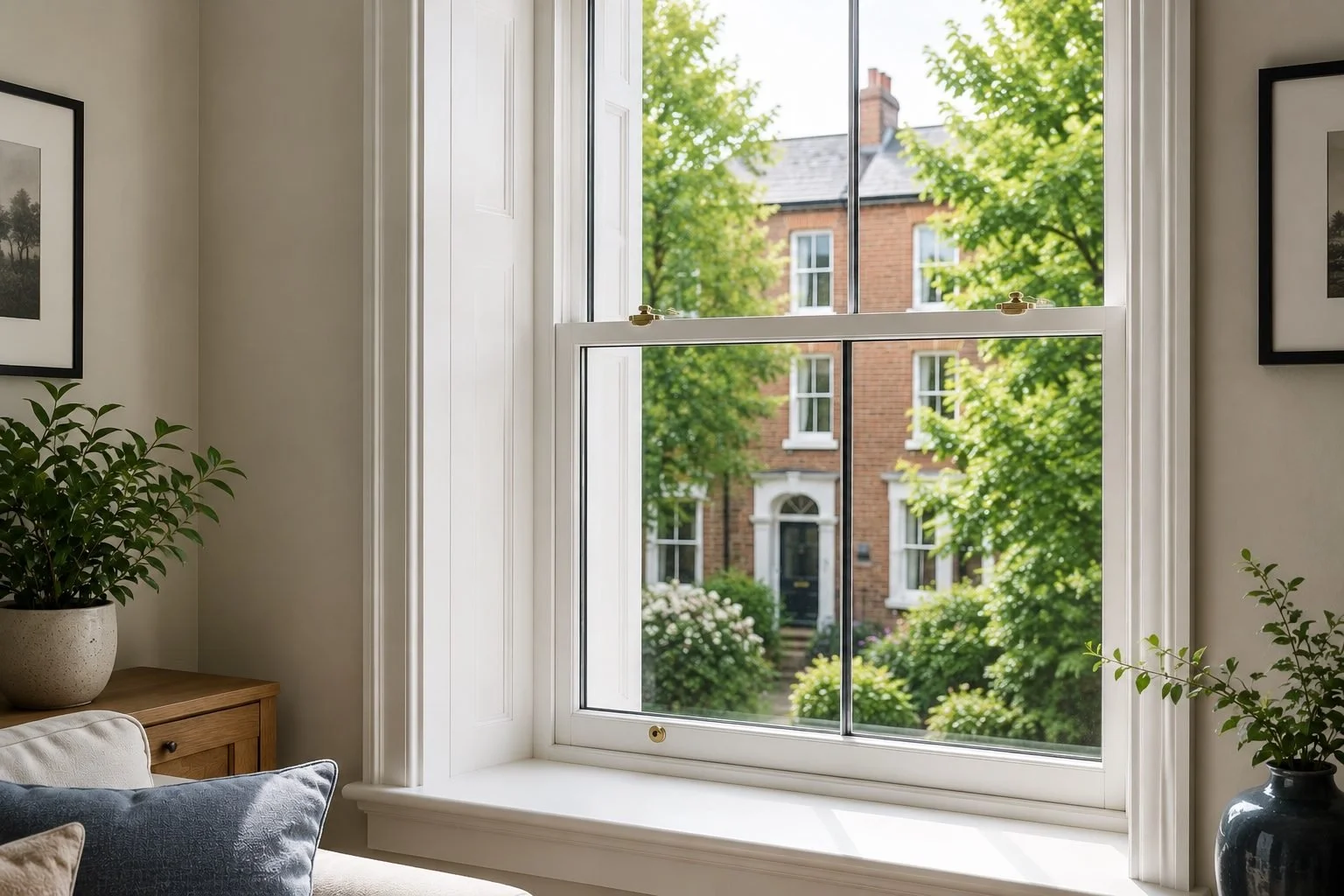
Secondary glazing is an excellent way to improve the comfort, energy efficiency and acoustic performance of your home while retaining your original timber windows. Installed discreetly on the inside of your existing sash or casement windows, secondary glazing creates an additional insulating barrier that helps reduce heat loss, minimise draughts and significantly lower external noise levels. Because the original windows remain untouched, it is often an ideal solution for listed buildings, conservation areas and period properties where preserving character is important. Available in a range of styles to suit different window types, secondary glazing provides a practical, cost-effective upgrade that can make your home warmer, quieter and more comfortable throughout the year without altering its external appearance.
With a variety of secondary glazing units to suit all windows styles including the following;
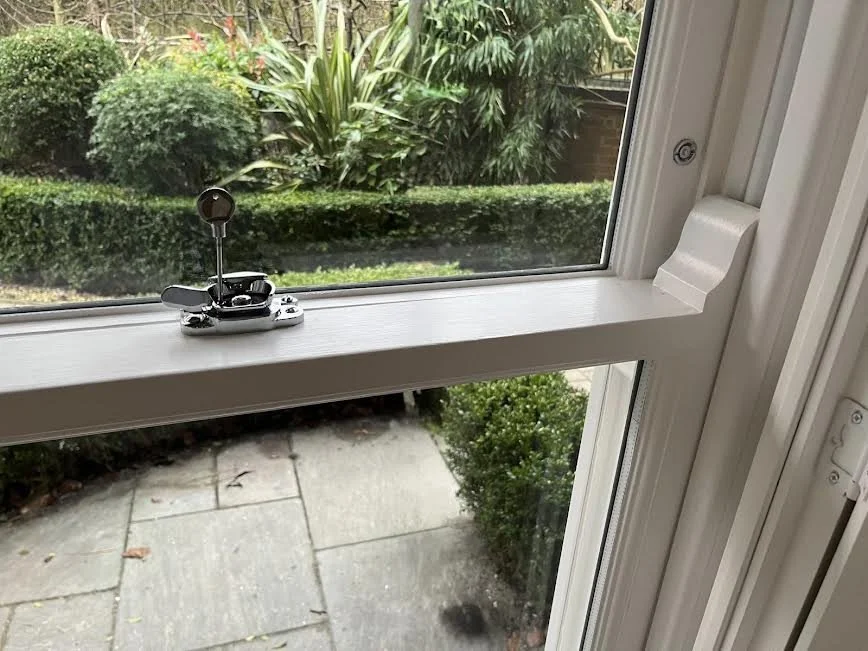
For Sash windows we can supply and fit either a tilt back vertical slider unit which slides like a sash window but also tilts into the room for the ease of cleaning, or if you prefer a more affordable option, we also offer an unbalanced vertical slider which opens like a sash window but minus the balances, this unit has spring catches to lock it in position.
With Casement windows depending on the style we can supply and fit either a Hinged unit or Horizontal Sliders which slide smoothly for ease of ventilation and are available with two to five panels. The units can be easily removed for cleaning and can also be fitted with an integrated fly-screen for all year round use to keep insects out of the kitchen.
The units can be fitted with standard 4mm float glass, 4mm Obscured or Textured glass for Privacy, 6mm Toughened Glass, Safety or 6.8mm Acoustic glass. Prices will depend on glass chosen.

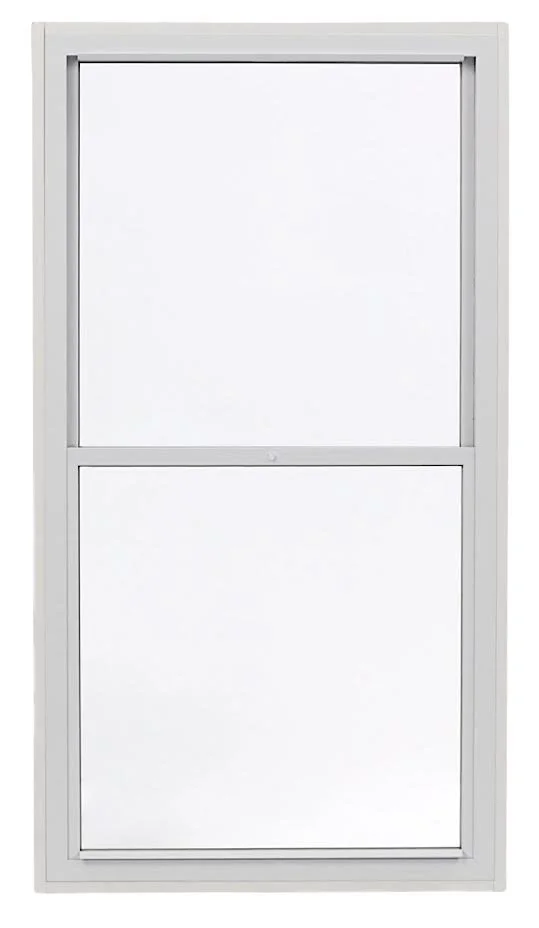
Tilting vertical slider
Vertical slider


Hinged opener
Horizontal slider


Your Questions Answered
Get in touch if you have any specific questions you would like to ask. We are always happy to help
-
They are different solutions. Secondary glazing is often preferred for listed buildings and properties where replacing or modifying original windows is not desirable. It can also provide excellent acoustic performance and is often more cost-effective than replacement windows.
-
We can assess your windows and discuss your priorities, whether that’s reducing heat loss, improving acoustic performance, preserving a listed property or eliminating draughts, and recommend the most suitable solution for your home.
-
Very little. Occasional cleaning and checking of moving parts is generally all that is required to keep the system operating smoothly.
-
Yes. Many systems can be removed for maintenance or future access if required, making them a flexible and reversible solution.
-
Yes. Modern secondary glazing systems are available in sliding, hinged, lift-out and vertical sash configurations, allowing access to the primary window when required.
-
Yes. One of the biggest advantages of secondary glazing is its ability to significantly reduce external noise. It is often more effective at sound reduction than some double-glazing solutions due to the larger air gap between the panes.
-
In many cases, yes. Because the original windows remain unchanged, secondary glazing is often accepted by conservation officers and is a popular solution for listed buildings and heritage properties.
-
In many cases it can help reduce internal condensation by improving the temperature of the room-facing glass surface and reducing cold air movement around the window.
Client Reviews

Dec 05. 2025
Great Company, Highly Recommended
“I been using CTWS to refurb all our wooden windows in phases over the last year or so. They have been great. Attention to detail, restore old windows very sympathetically and have retrofitted slim line double glazing and draft proofing where possible and so now we have beautiful old windows to more modern standards. Would definitely recommend..”
Feb 01, 2026
Highly Recommended
“We spent some time searching for a company to restore the original windows in our Georgian house and are so pleased we found CTWS. The team worked so carefully and with such skill to preserve and refurbish our wooden sash windows, including adding invisible double glazing that has made a big difference to the warmth of the house. The windows look wonderful now. Great customer service too. We cannot recommend highly enough.”
Mar 30, 2026
Fantastic from Start to Finish
“I spent quite some time looking for a company to repair wooden sash windows in our listed Georgian house and from the initial enquiry to the completion of work, CTWS didn't disappoint. Stuart and the team were able to fit me in to do an urgent repair and couldn't have been more helpful. Skilful, hardworking, tidy and a pleasure to have around, so ticked all the boxes for me!
Visit Trustpilot to see all of our latest reviews
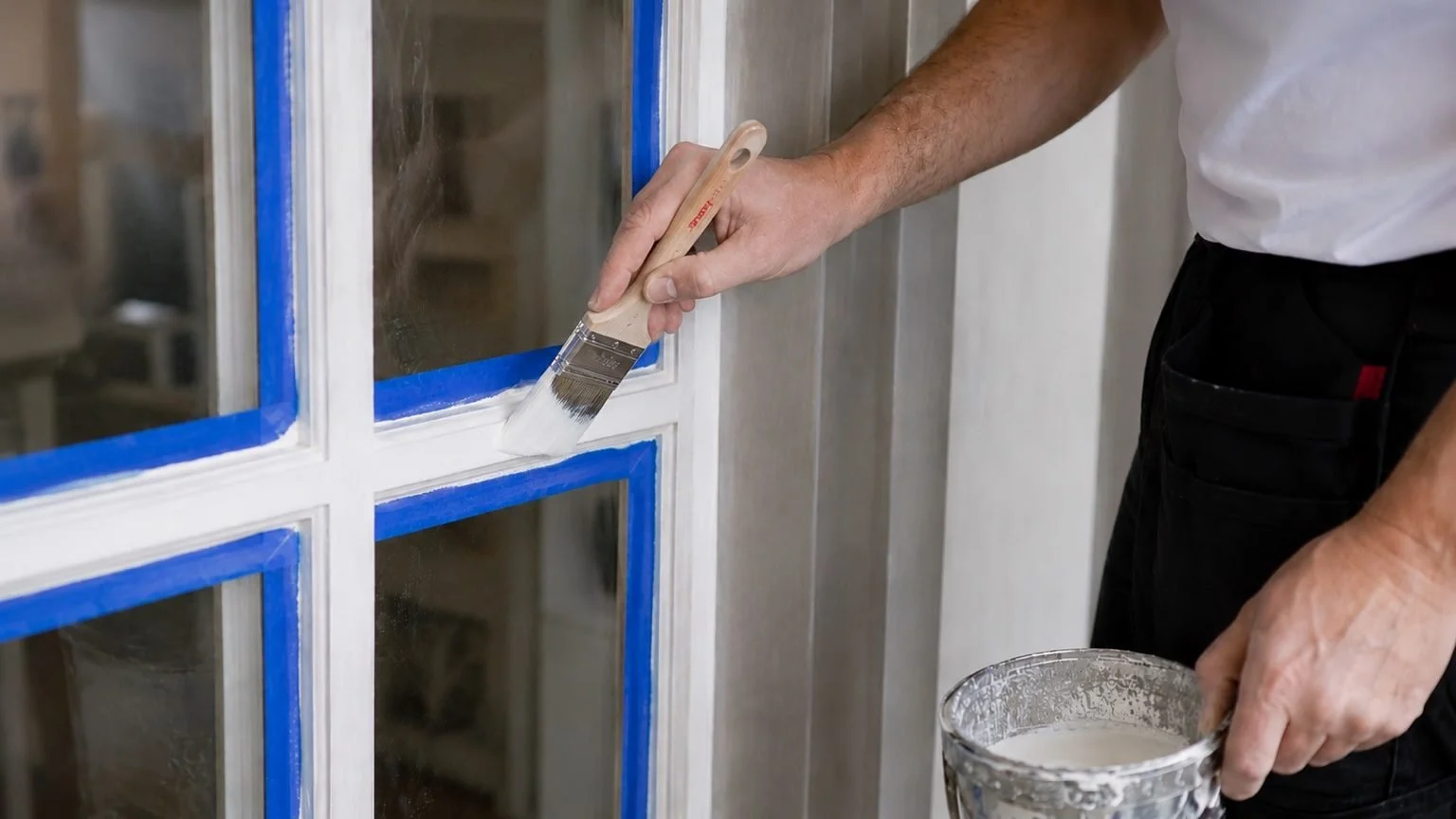

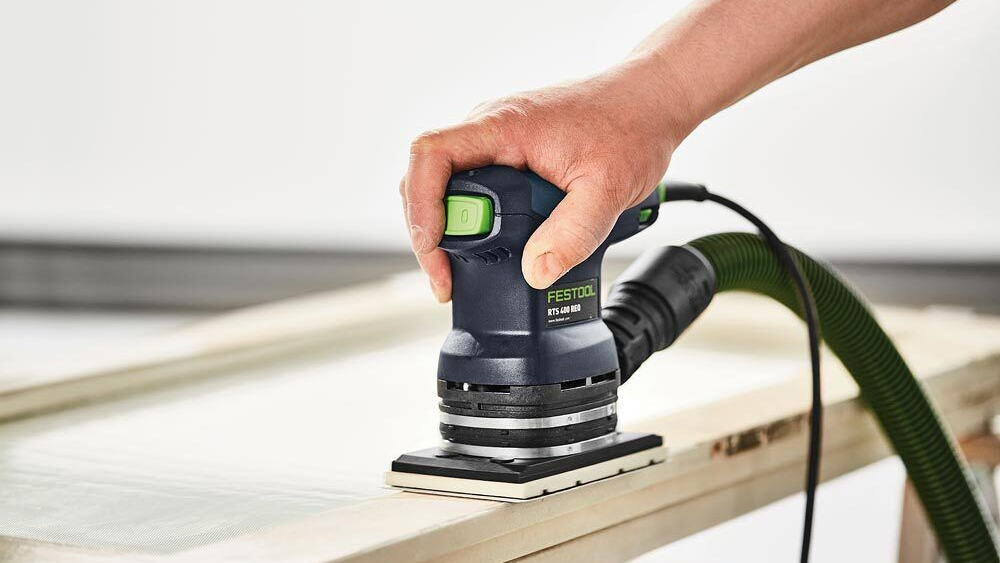
Aftercare & Maintenance
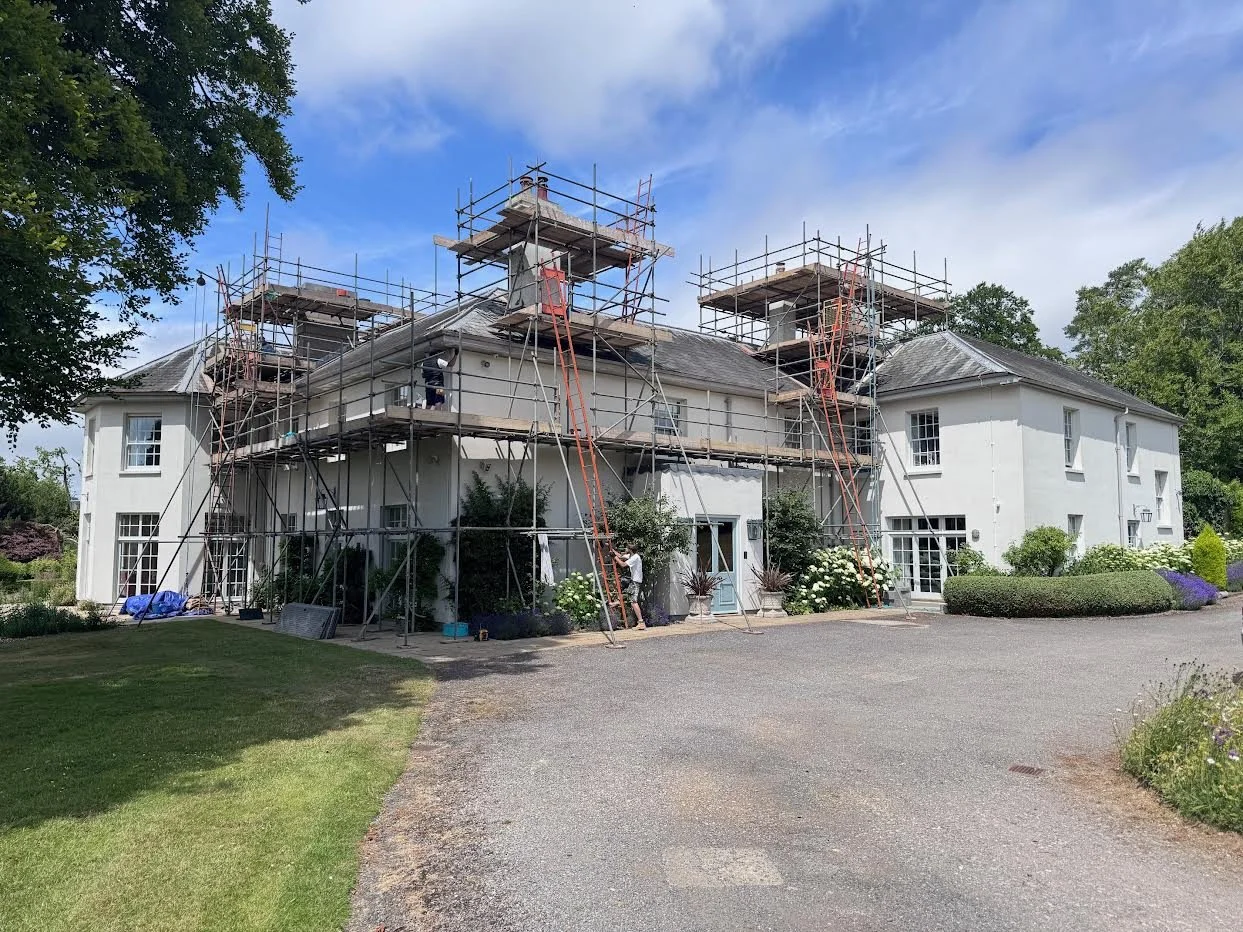
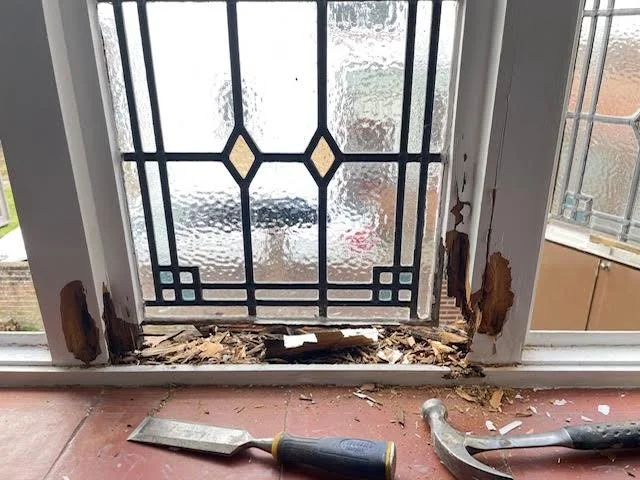
Our timber window maintenance check programme is designed to identify potential issues before they become costly problems.
Gain peace of mind knowing as a pervious & valued customer your timber windows are being monitored and cared for correctly, helping to maximise their lifespan and protect your investment.
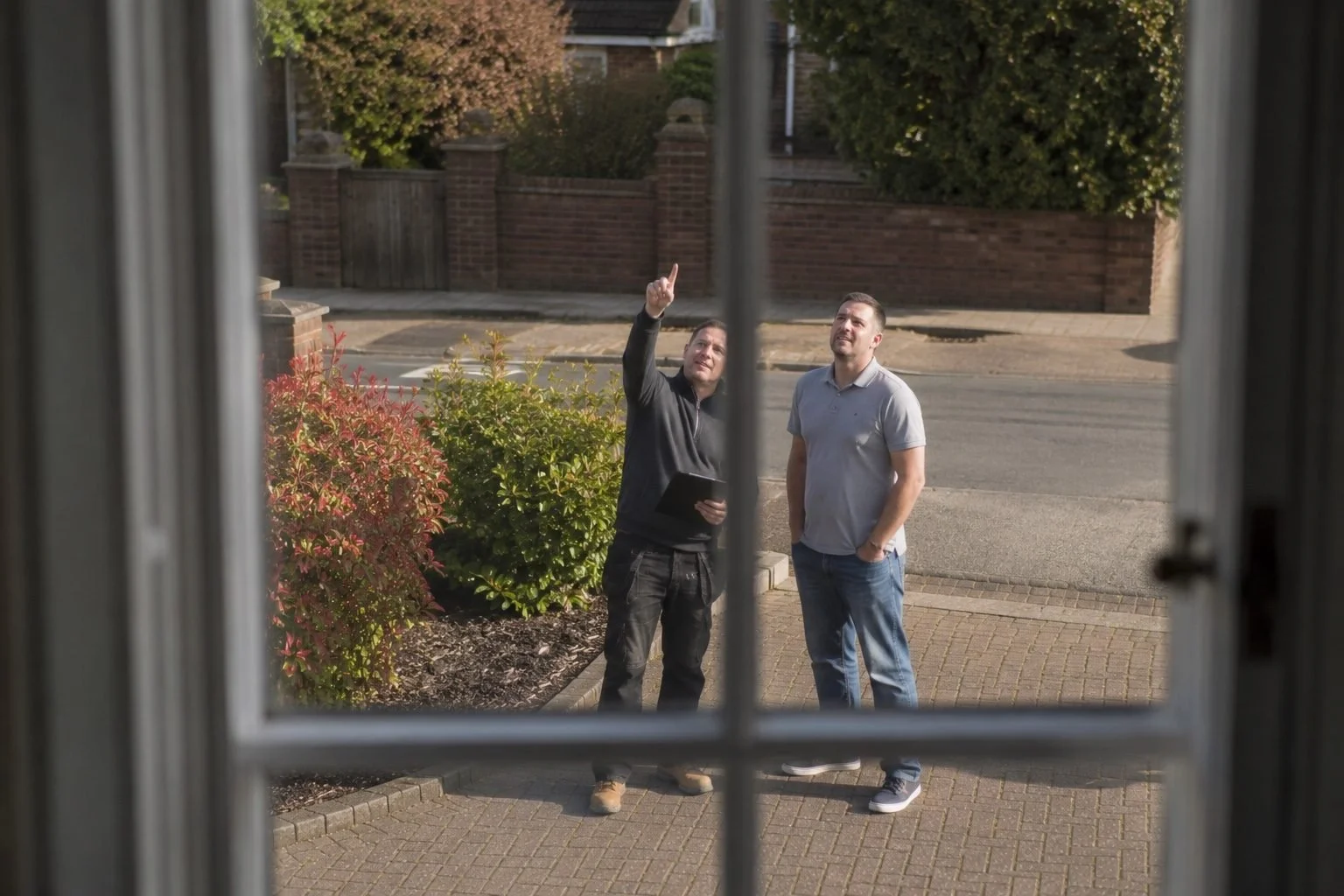
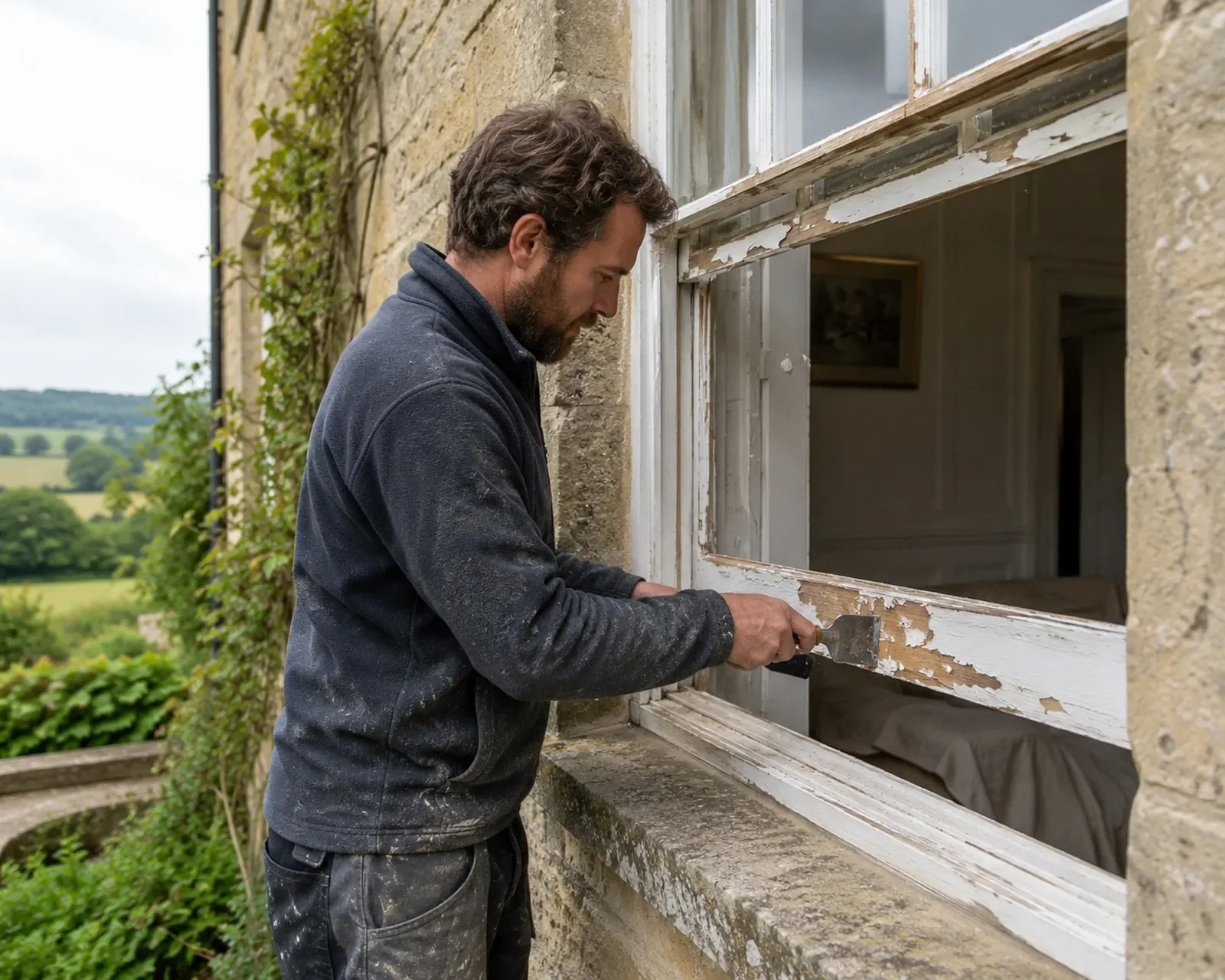

“ A Free Check Today could save you thousands tomorrow.”
Our FREE maintenance check inspections can help keep your timber windows in excellent condition for years to come
Get in touch
Free no obligation survey at your finger tips
Let us help you to get your windows looking fantastic & fully working again